PostcardFrom Dotonbori
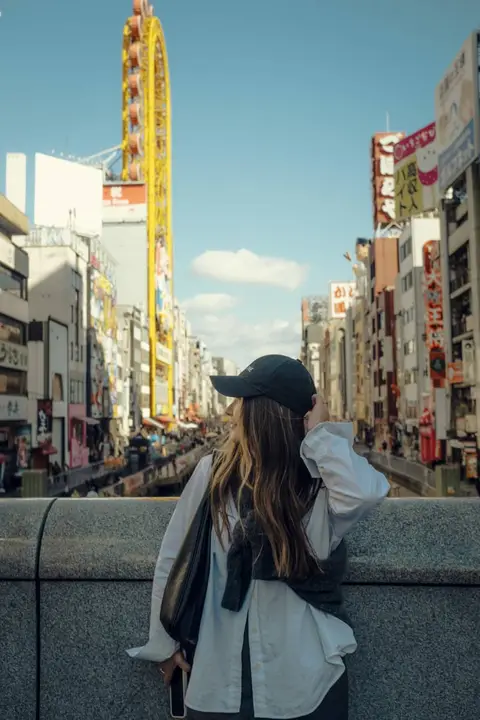
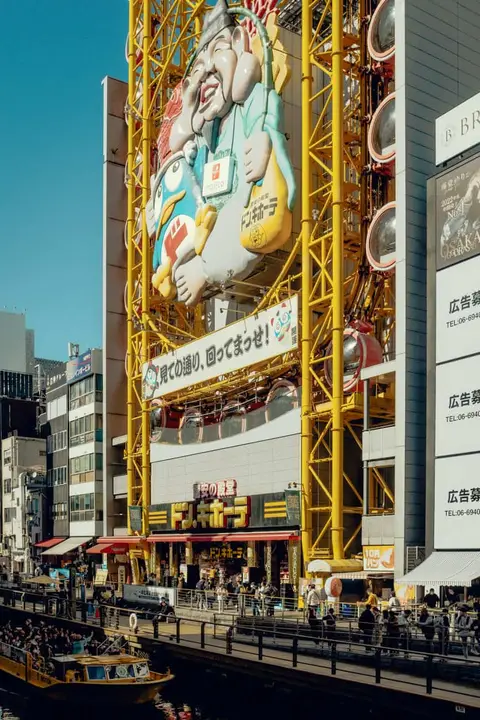
The most photographed sign in Japan has five weeks left to run, so please, go now.
- Photos & words by
- Coco Tran
The short answer
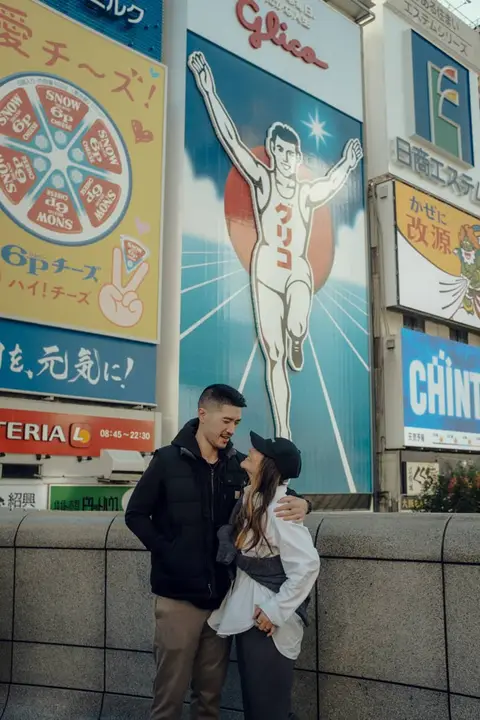
The Glico Running Man goes dark at midnight on 30 November 2026 and comes down for good, with a seventh-generation sign arriving in spring 2027 and the most photographed billboard in Japan behind a hoarding until then. So this is the last autumn of the sign that's been there since 2014, and honestly, a very good reason to go to Osaka now rather than next year.
At a glance
- Setting
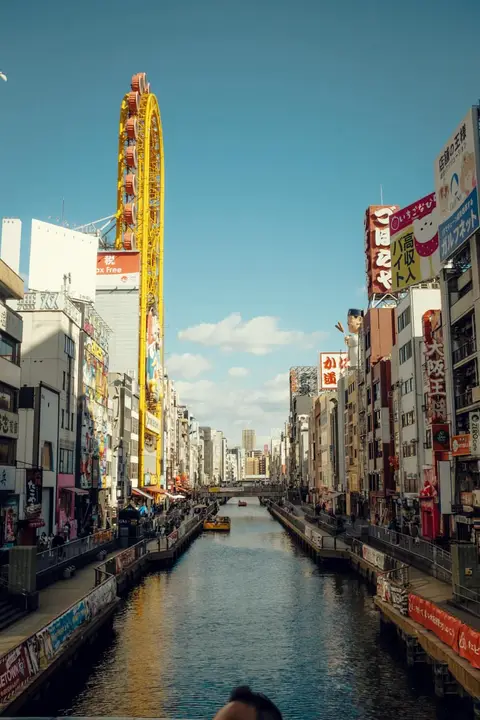
- The Dotonbori canal in Minami, southern Osaka, just five minutes on foot from Namba station
- Best for
- Eating standing up, and taking the single most recognisable photograph in Japan
- Standout
- The sixth-generation Glico sign, lit since October 2014, in its final weeks
- Consider
- Lights out at midnight on 30 November 2026, so go soon. The replacement is due in spring 2027.
- Stayed
- Osaka, October 2024
Travelled in Japan, most recently October 2024. Hotels here can be booked through Coco Tran Travel. How we review.
Why the sign matters more than it should
Glico has had a runner on this corner since 1935, six versions of him, through the war, through the rebuilding, through the city changing completely around him. He's less an advertisement than a civic fixture, which is why the bridge in front of him is permanently full of people doing the pose with both arms in the air, and why nobody in Osaka finds that embarrassing. It's the one place in Japan where everybody, visitors and locals alike, behaves like a tourist on purpose, and I love that.
Go twice, at two different hours
At nine at night it's overwhelming in the best way: the signs reflected in the black canal, the crowd five deep on Ebisubashi, the smell of batter and sauce from every doorway. Then go back at seven the next morning. The signs are off, the canal is grey-green and perfectly still, a man is hosing down the pavement outside a takoyaki shop, and you can finally see that there's a real city underneath all of it. That second visit is the one that stays with me.
What to eat while you're standing there
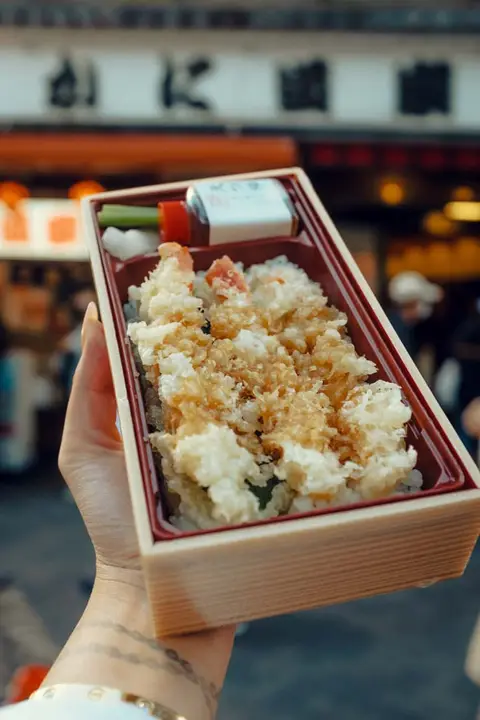
Takoyaki first, from a stall with a queue of Japanese people rather than a photograph of the food outside. Let it sit for a minute, because the inside is molten and everyone burns their mouth once. Then okonomiyaki, sitting down. Then, one street back from the canal, duck into Hozenji Yokocho, a stone alley with lanterns and a moss-covered Buddha that people ladle water over for luck, and have a drink somewhere tiny. You're thirty seconds from the neon and four hundred years away from it.
What I'd tell you to do about the date
If Osaka was on your list for next year, move it. Five weeks of this sign are left, this autumn is the best weather of the year here, and the alternative is a construction hoarding until spring. And if you can't go before the end of November, then go in late 2027 and see the new one lit for the first time; that will be its own event, and the bridge will be extraordinary that night.
If you'd like me to build a Kansai trip around it, with Osaka, Kyoto, Nara and the tables that actually need booking, tell me here and I'll start with the restaurants.