PostcardFrom Salinas de Añana
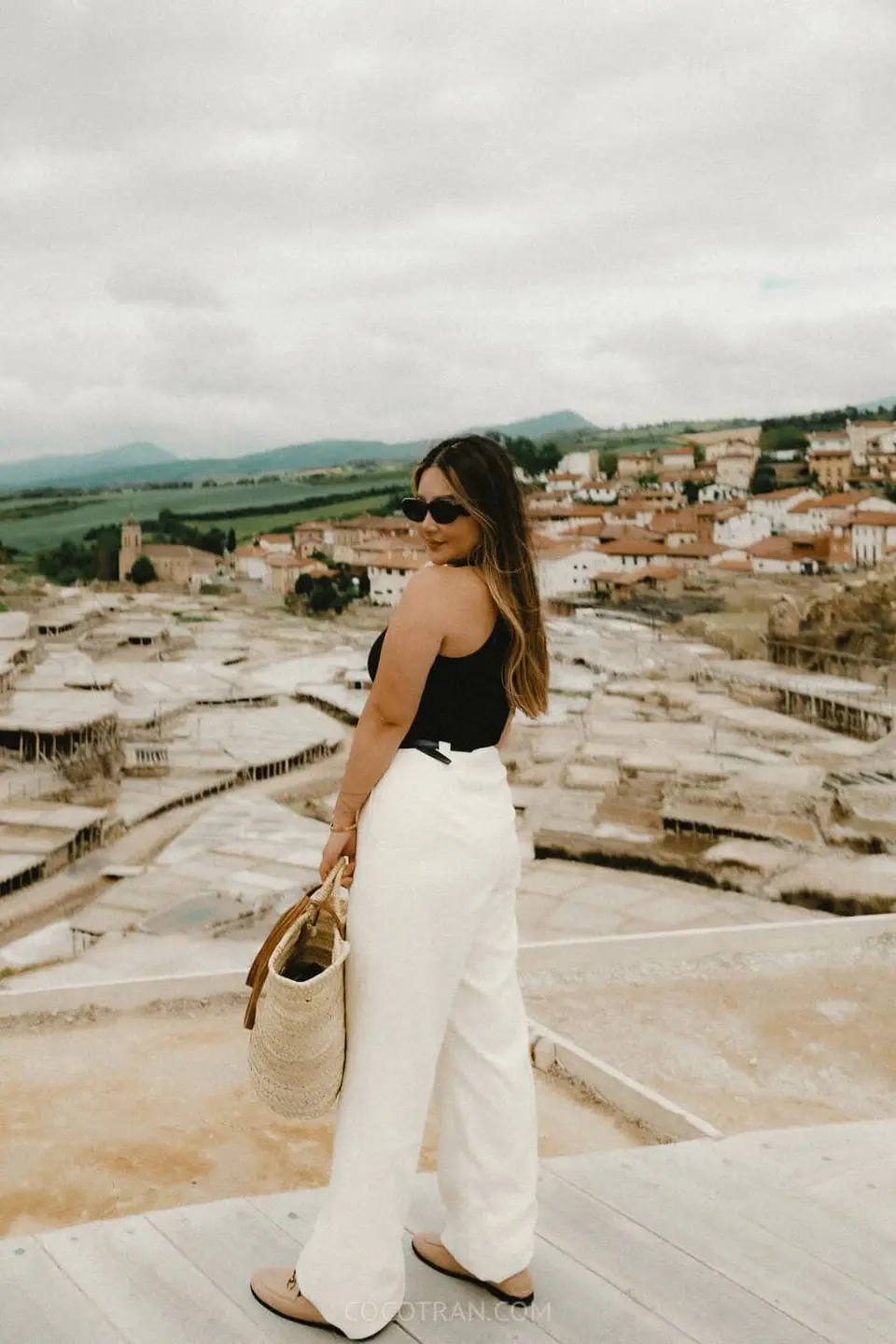
Six and a half thousand years of salt, half an hour from Vitoria, and nobody there.
- Country, City
- Vitoria-Gasteiz, Spain
- Photos & words by
- Coco Tran
The short answer
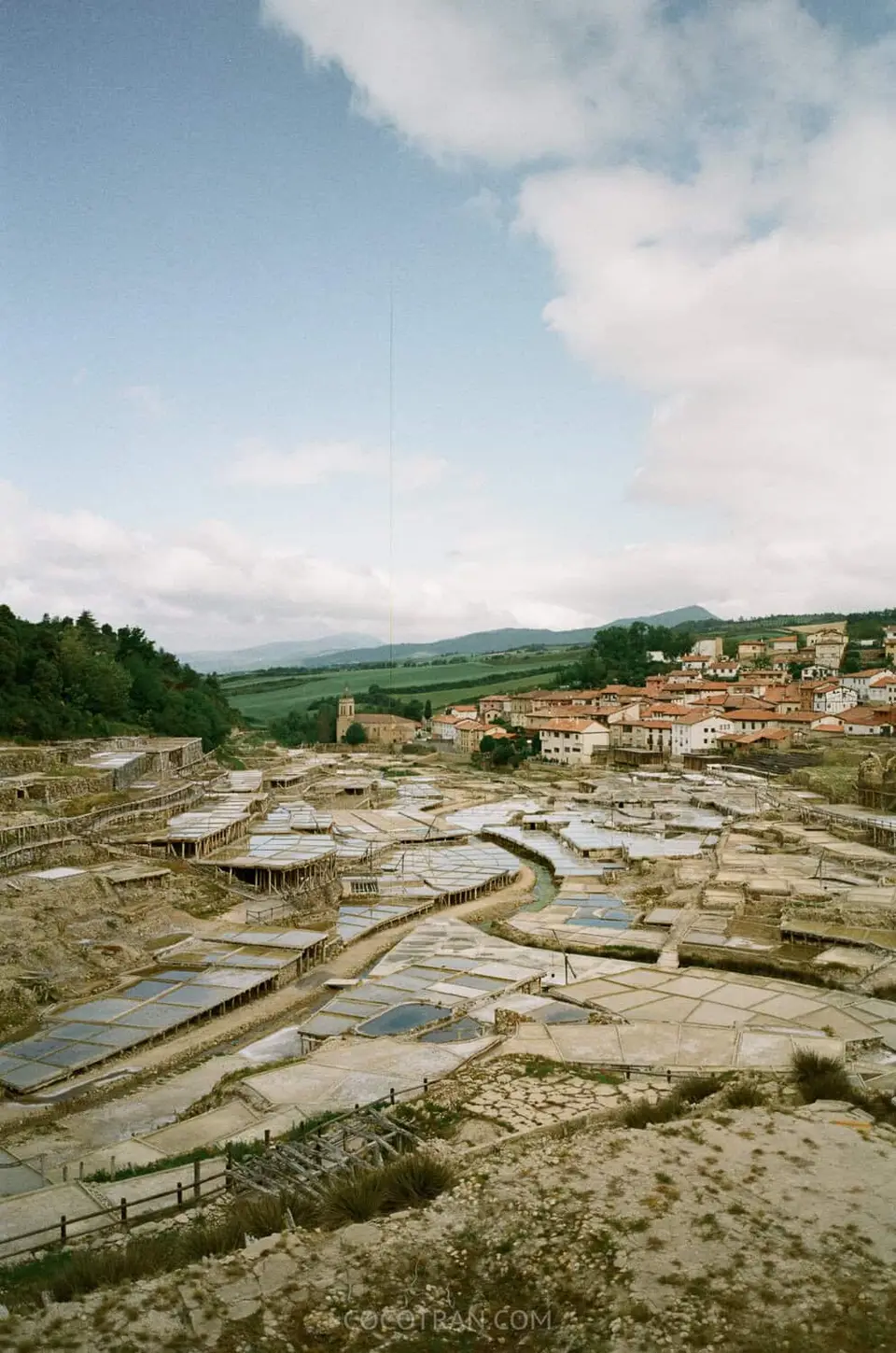
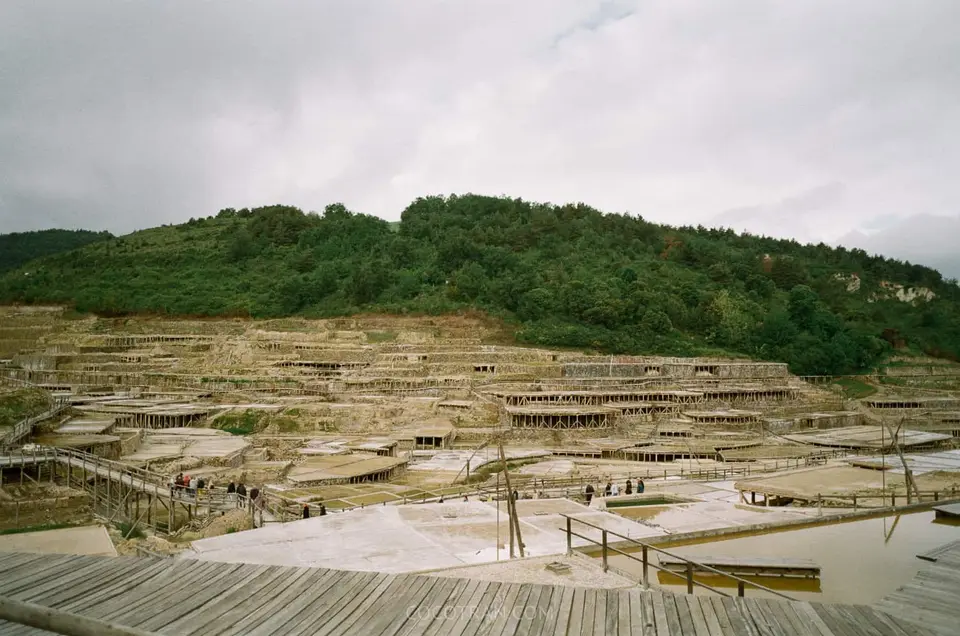
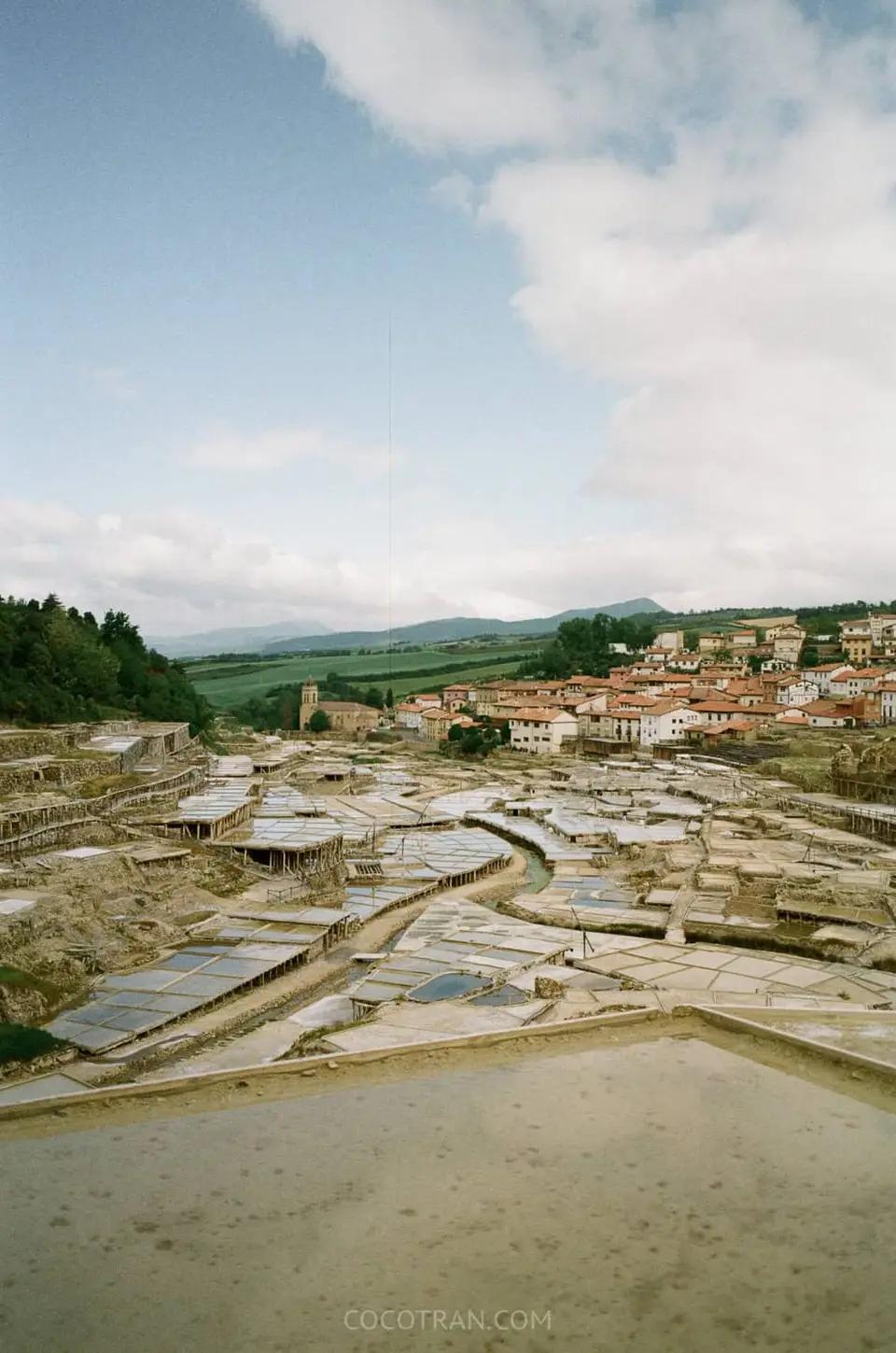
A hillside of seven thousand wooden salt pans above a village in Alava, worked for six and a half thousand years and still producing. Half an hour from Vitoria-Gasteiz, about an hour from Bilbao, and almost nobody goes. Visits are guided and booked ahead - and the thing to do at the end is put your feet in the brine.
At a glance
- Setting
- The Valle Salado at Añana, in Álava - about 30km from Vitoria-Gasteiz and an hour from Bilbao
- Best for
- Anyone doing the Basque Country who wants the half day nobody else on their flight will have had
- Standout
- The saltwater footbath, built into the old salt-workers’ wells
- Consider
- Guided visits by reservation - book ahead through the foundation rather than turning up
- Stayed
- Basque Country, June 2024
Travelled the Basque Country, June 2024. Hotels here can be booked through Coco Tran Travel. How we review.
Get the credentials right, because most write-ups do not
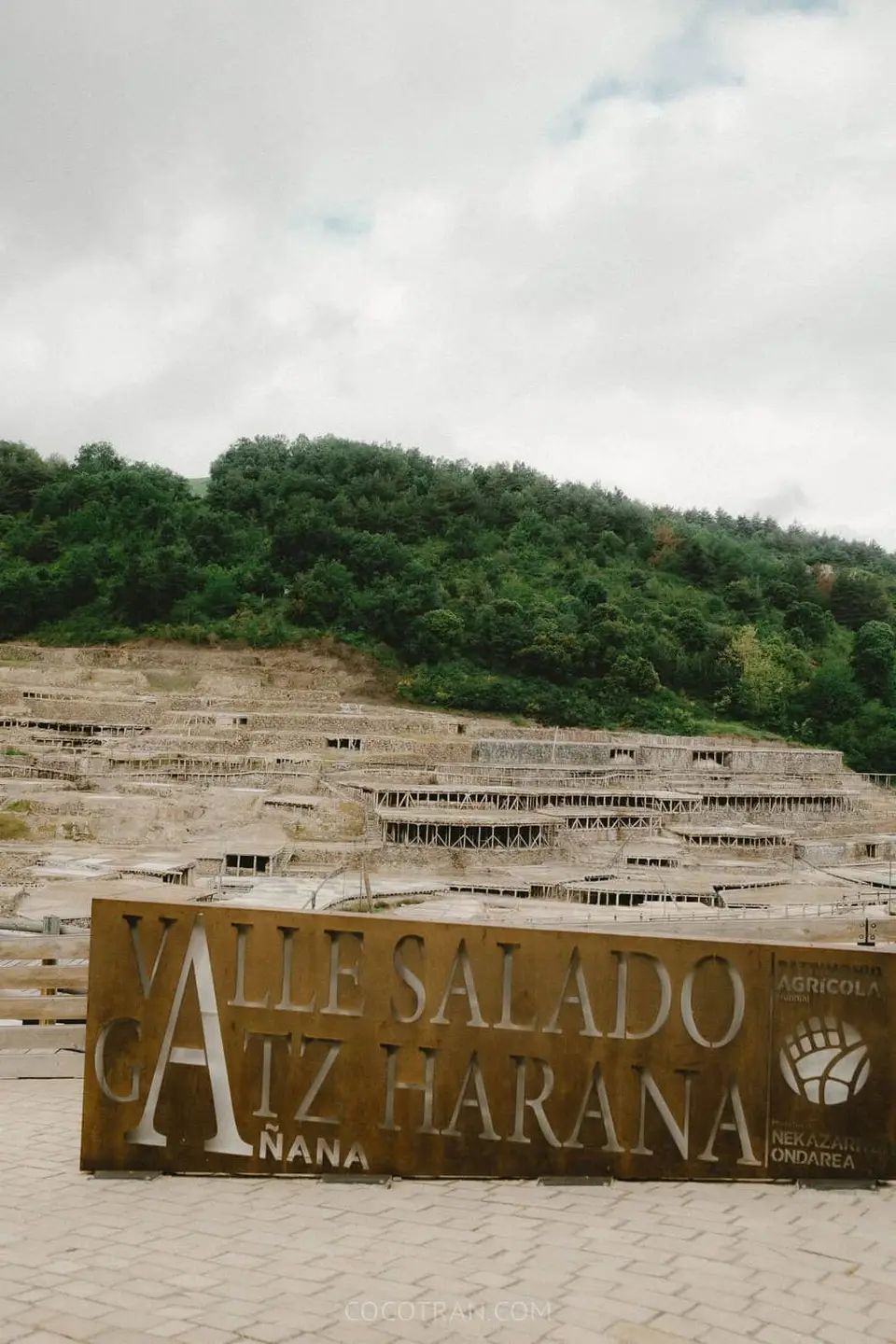
This is not a UNESCO World Heritage Site, whatever you may read. It has been on Spain’s tentative list since 2012, which is a different thing entirely. What it genuinely holds is FAO recognition as a Globally Important Agricultural Heritage System, awarded in 2017 - a designation for living agricultural landscapes rather than monuments, and exactly the right one for a place that is still making the product it was making in the Neolithic. It has also been on the European Route of Industrial Heritage since 2019.
How a visit works
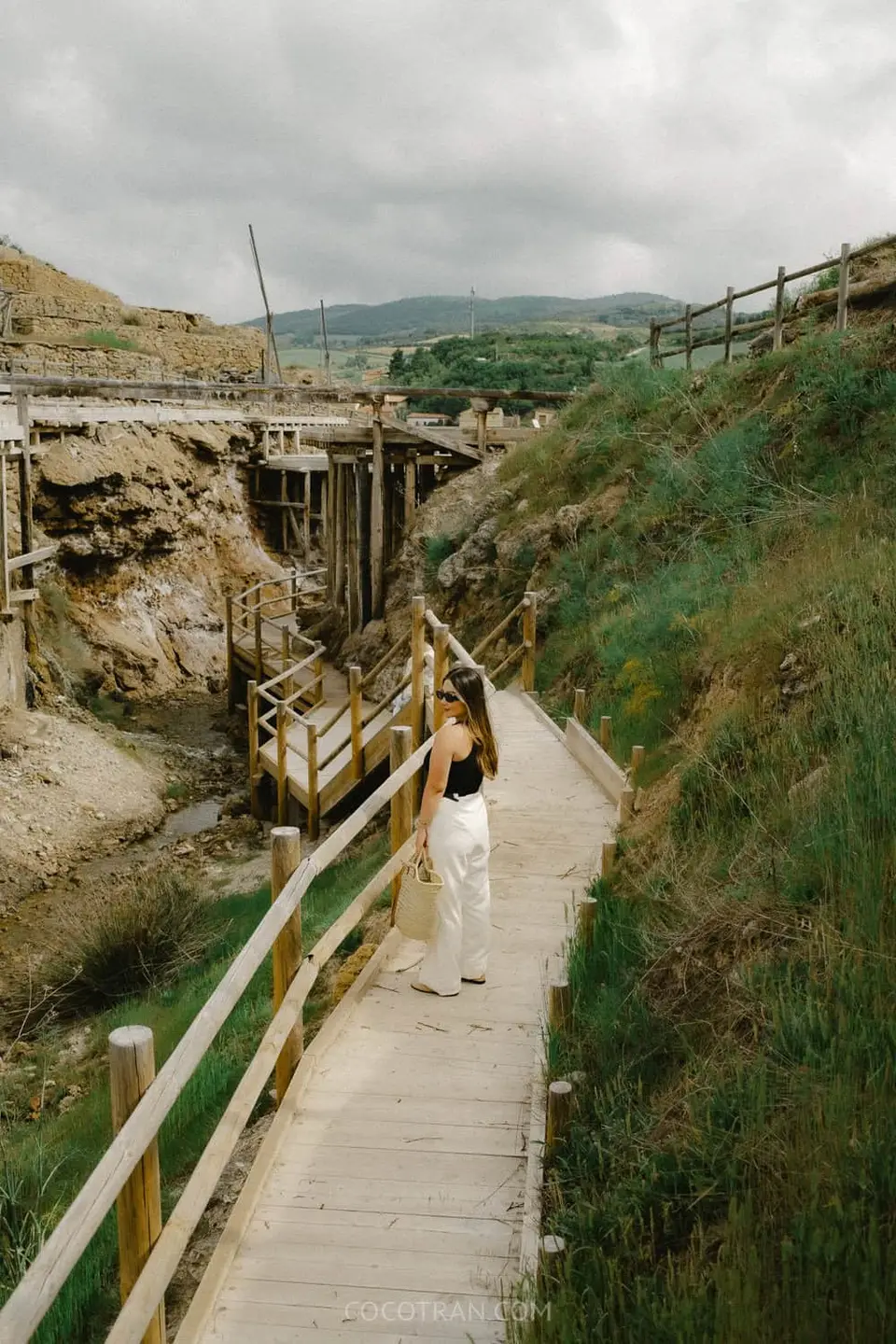
This is the part to plan. The valley is run by the Fundación Valle Salado de Añana, and visits are guided and booked in advance rather than wandered into. There are several versions: a heritage and environmental tour, a salt-making workshop where you harvest from a pan yourself, family workshops, a spring visit, an adapted and accessible visit, and a virtual-reality one.
Book through the foundation directly - reservas@vallesalado.com, or +34 945 351 111 - and confirm times and prices with them when you do, since both move with the season.
The bit everyone remembers
At the end there is a pediluvium - a saltwater footbath built into the old wells the salt workers used - and a saline spa. You sit on the edge of a stone trough with your feet in water six times saltier than the sea, on a hillside of white terraces, and it is both genuinely restorative and slightly absurd. Bring a towel. Nobody tells you to bring a towel.
Why it belongs in a Basque trip
Because it is thirty kilometres from Vitoria-Gasteiz, about half an hour, and roughly an hour from Bilbao, and because it is the opposite of everything else people do in the Basque Country. No queue, no Guggenheim, no pintxos crawl - a hillside, a spring and a trade older than writing.
Do it as a morning out of Vitoria, then drive twenty minutes south into Rioja Alavesa for lunch and a winery in the afternoon. That is one of the best days in northern Spain and almost nobody builds it.
And buy the salt. It is harvested by hand from these pans, the flor de sal is the one to take, and it is the best souvenir in the Basque Country - it weighs nothing and you will use it for a year.
If you would like a Basque trip put together properly - tell me what you are thinking here.