PostcardFrom a Gold Leaf City
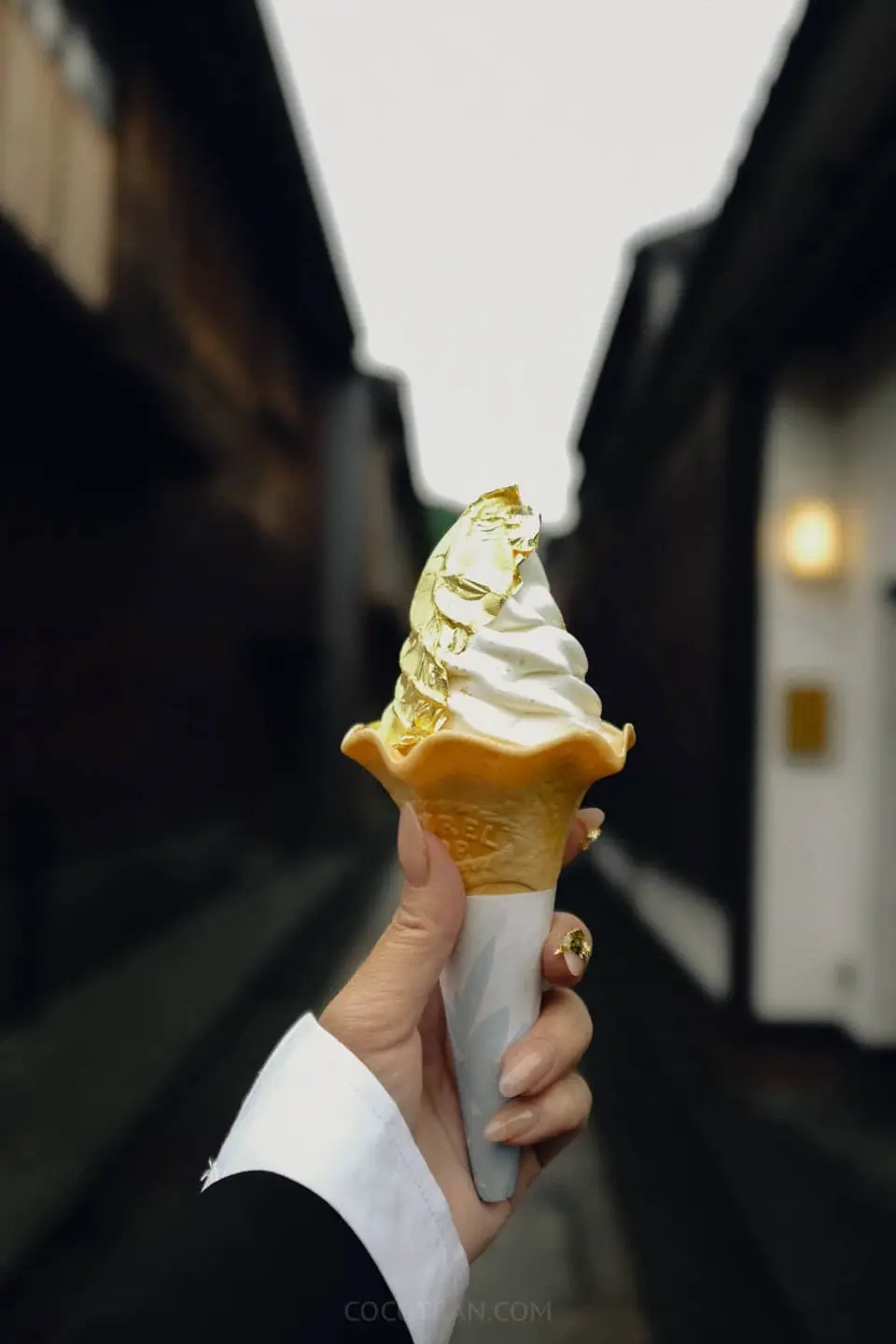
Kanazawa makes about ninety-nine percent of Japan’s gold leaf, and you'll find it on the temples at Kyoto, in the lacquer, in the tea and, because somebody delightfully had to, on the ice cream.
- Photos & words by
- Coco Tran
The short answer
Kanazawa makes about ninety-nine percent of Japan’s gold leaf, and it's on the temples at Kyoto, in the lacquer, in the tea and, because somebody delightfully had to, on the ice cream. The humidity here is what makes it all possible. And the craft workshops will let you beat a sheet yourself, which I promise is harder than it looks.
At a glance
- Setting
- Kanazawa, on the Sea of Japan coast, where the damp climate happens to suit gold-beating
- Best for
- Anyone who loves a city with one strange, specific thing it does better than anywhere else
- Standout
- Ninety-nine percent of Japan’s gold leaf, including the gilding on Kyoto’s temples
- Consider
- The ice cream is the photograph, but a craft workshop is the better hour
- Stayed
- Japan, most recently October 2024
Travelled in Japan, most recently October 2024. Hotels here can be booked through Coco Tran Travel. How we review.
The takeaway
Gold leaf is kinpaku, and Kanazawa has had a near-monopoly on making it in Japan for four hundred years. The Maeda lords encouraged it along with the lacquer and the silk dyeing, and the climate turned out to help: the humidity off the Sea of Japan keeps the paper from drying and tearing while the gold is being beaten.
The numbers are what got me. A single gold coin is beaten out until it covers about ten tatami mats. The finished leaf is around one ten-thousandth of a millimetre thick, so thin that you can't pick it up with your fingers without destroying it, and thin enough to see light through. The craftsmen separate the sheets with bamboo tools and work in rooms with the windows shut, because a single draught ruins a day’s work.
Where it goes. You'll see it on the Golden Pavilion in Kyoto and the Konjikido at Hiraizumi, on temple altars and Buddhist household shrines across the country, in lacquerware, ceramics and kimono thread, and in cosmetics. And, since the 1980s and the bubble years, in food: gold on sushi, gold in sake, gold on an ice cream in a paper cone.
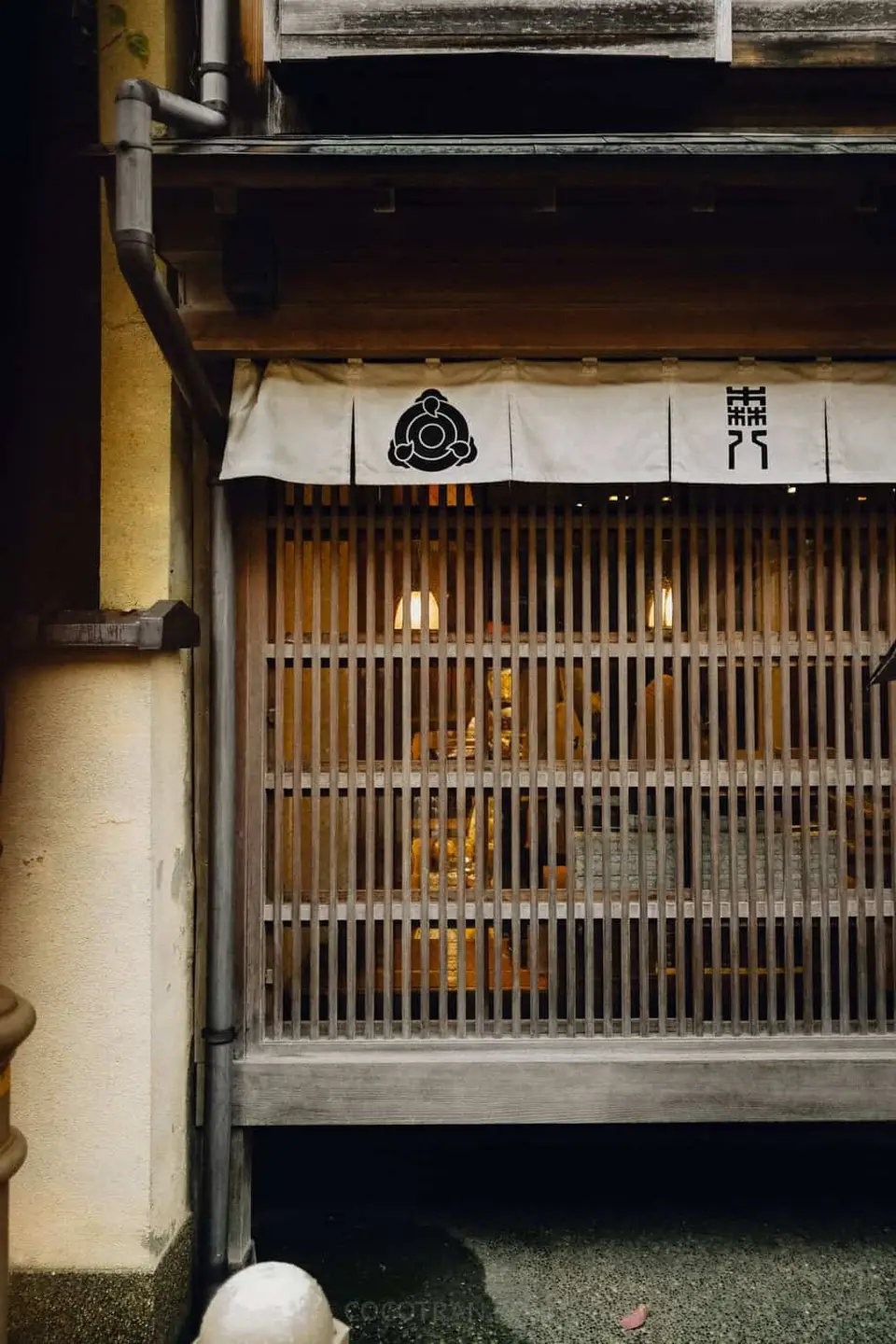
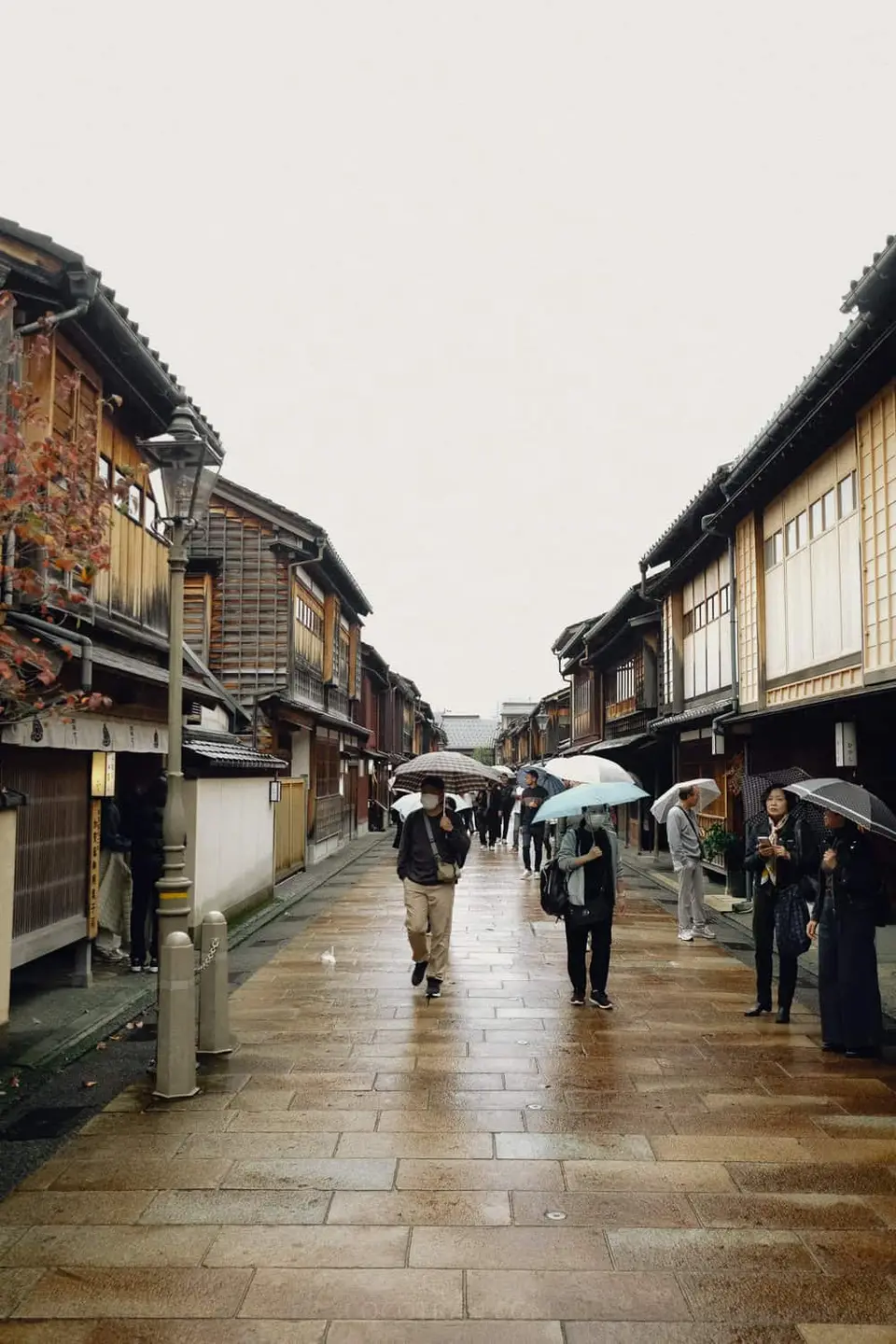
Go and beat some yourself. Several workshops in the Higashi Chaya area run an hour-long class where you apply leaf to a small box or a pair of chopsticks, and trust me, it's far more absorbing than it sounds, because the stuff moves if you so much as breathe near it. Hakuza, in the same district, has a storehouse tea room entirely lined in gold leaf, which is free to look into and completely, wonderfully absurd.
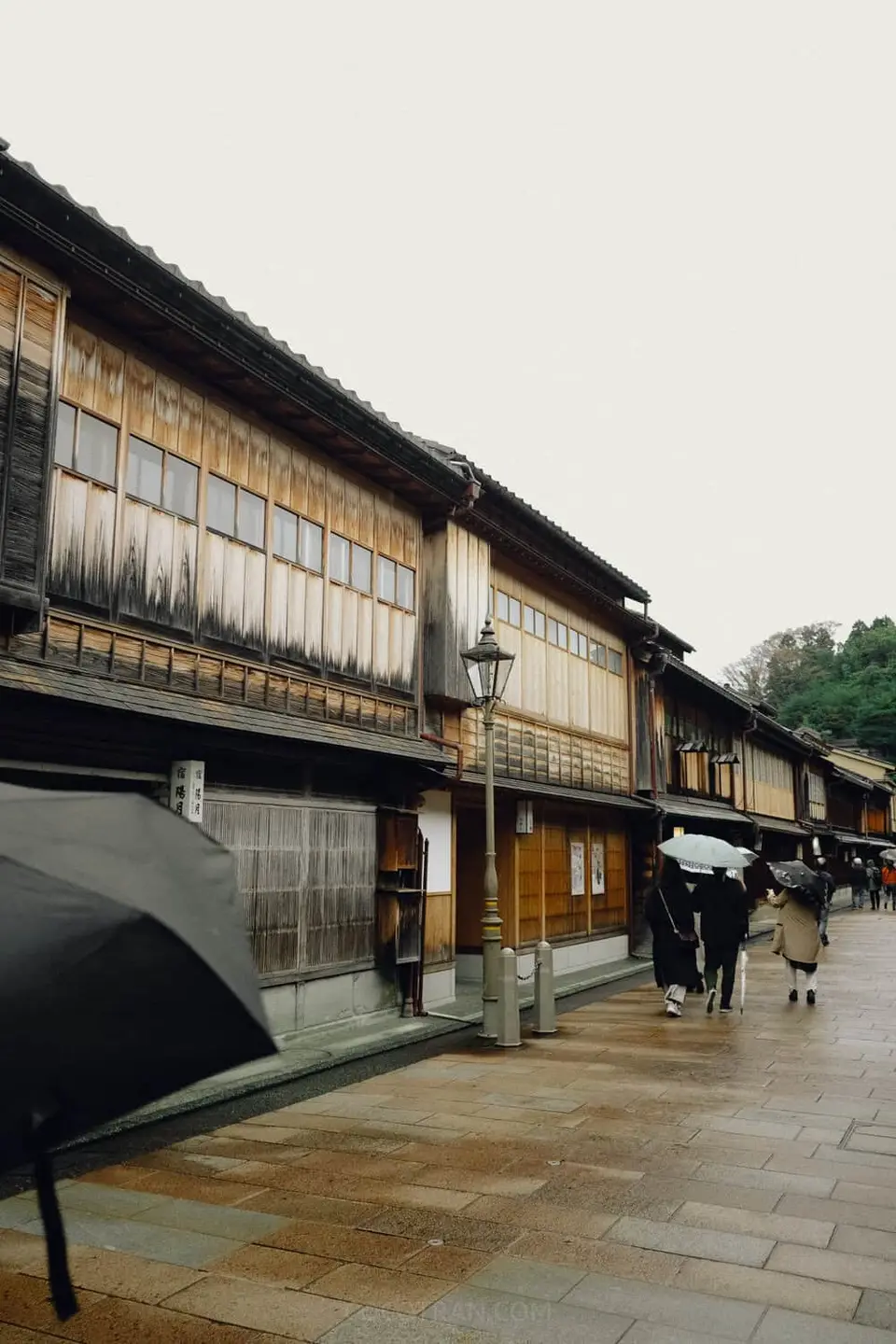
Is the ice cream worth it? It costs about nine hundred yen, it tastes exactly like soft serve, and you'll absolutely photograph it, so have it once and enjoy the silliness somewhere with a view of the teahouse street. Then go and buy a small lacquer box with gold in it instead; that's the thing you'll still have in ten years.