PostcardFrom the Morning Market
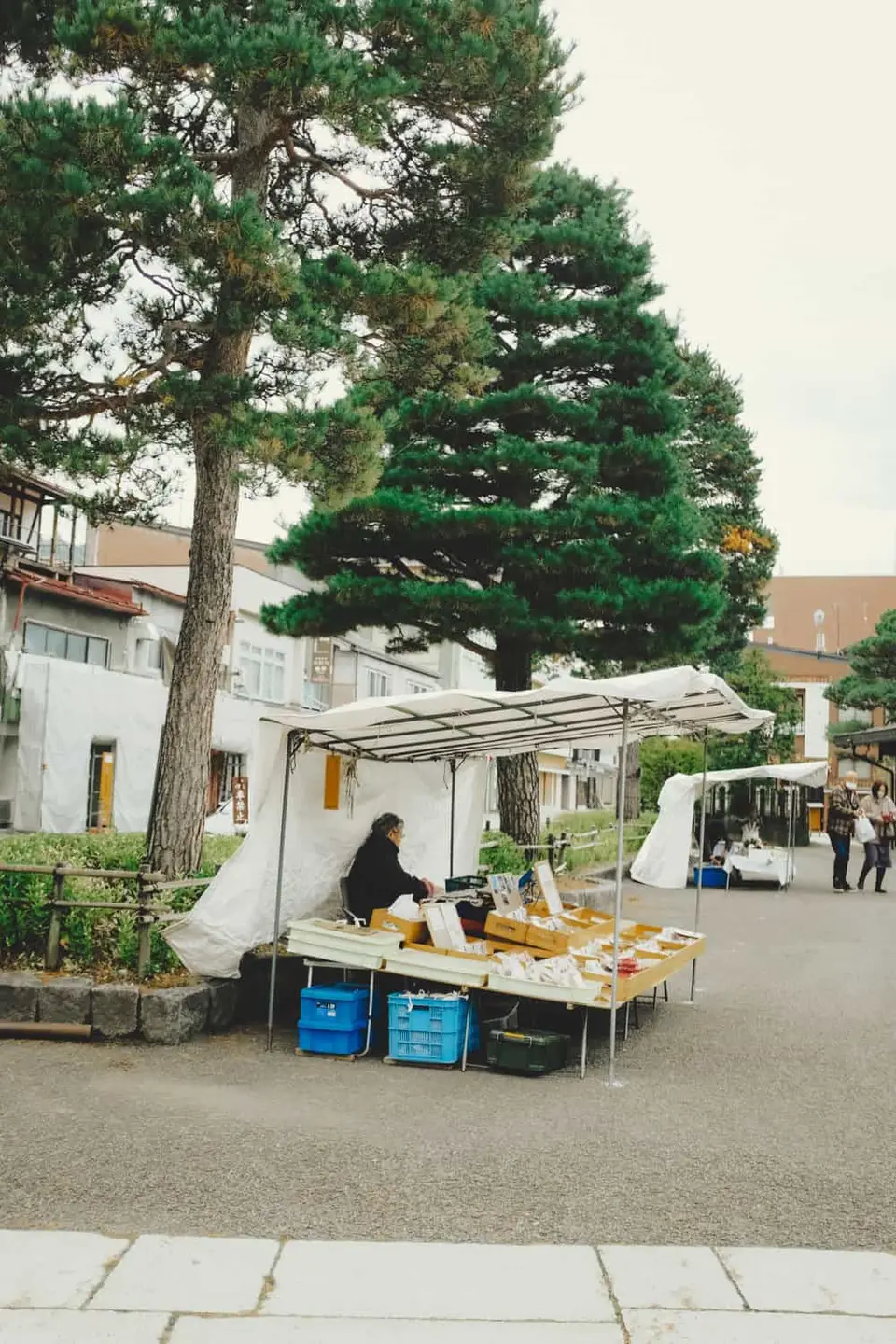
Two markets, both running since the 1600s, and both packed up by noon. Half an hour at seven in the morning will tell you more about this town than a whole day of sightseeing, and honestly, it's my favourite hour anywhere in the Alps.
- Photos & words by
- Coco Tran
The short answer
Two markets, both running since the 1600s, and both packed up by noon. Half an hour there at seven in the morning will tell you more about this town than a whole day of sightseeing, and it's my favourite half hour in the Japan Alps. Think pickles, miso and apples, and stallholders who've had the same spot for decades and still have time to talk to you.
At a glance
- Setting
- The Miyagawa riverside and Jinya-mae, in central Takayama, every morning since the 1600s
- Best for
- Anyone who'd rather meet a town than photograph it
- Standout
- Seven in the morning, before the coaches and while the stallholders still have time to chat
- Consider
- Both markets are finished by noon, so this is a first-thing plan or nothing
- Stayed
- Japan, most recently October 2024
Travelled in Japan, most recently October 2024. Hotels here can be booked through Coco Tran Travel. How we review.
The takeaway
Takayama has two morning markets, and they're both wonderfully old. Miyagawa runs along the east bank of the river at the edge of the old town, and Jinya-mae sets up in the square in front of the Edo government house. They started in the 1600s as rice and silkworm markets, became farmers' markets in the Meiji period, and have been going more or less every morning since.
They open around seven, or six in summer, and they're finished by noon. That's the part people get wrong: they wander down at eleven, find half the stalls packing up, and decide it was overrated.
Go at seven, and the whole thing opens up for you. The light is coming down the valley, the river is loud, and there's nobody about but the people setting up and a few residents doing their actual shopping. That's the real market, and it's lovely. By nine it's visitors, and by ten it's winding down.
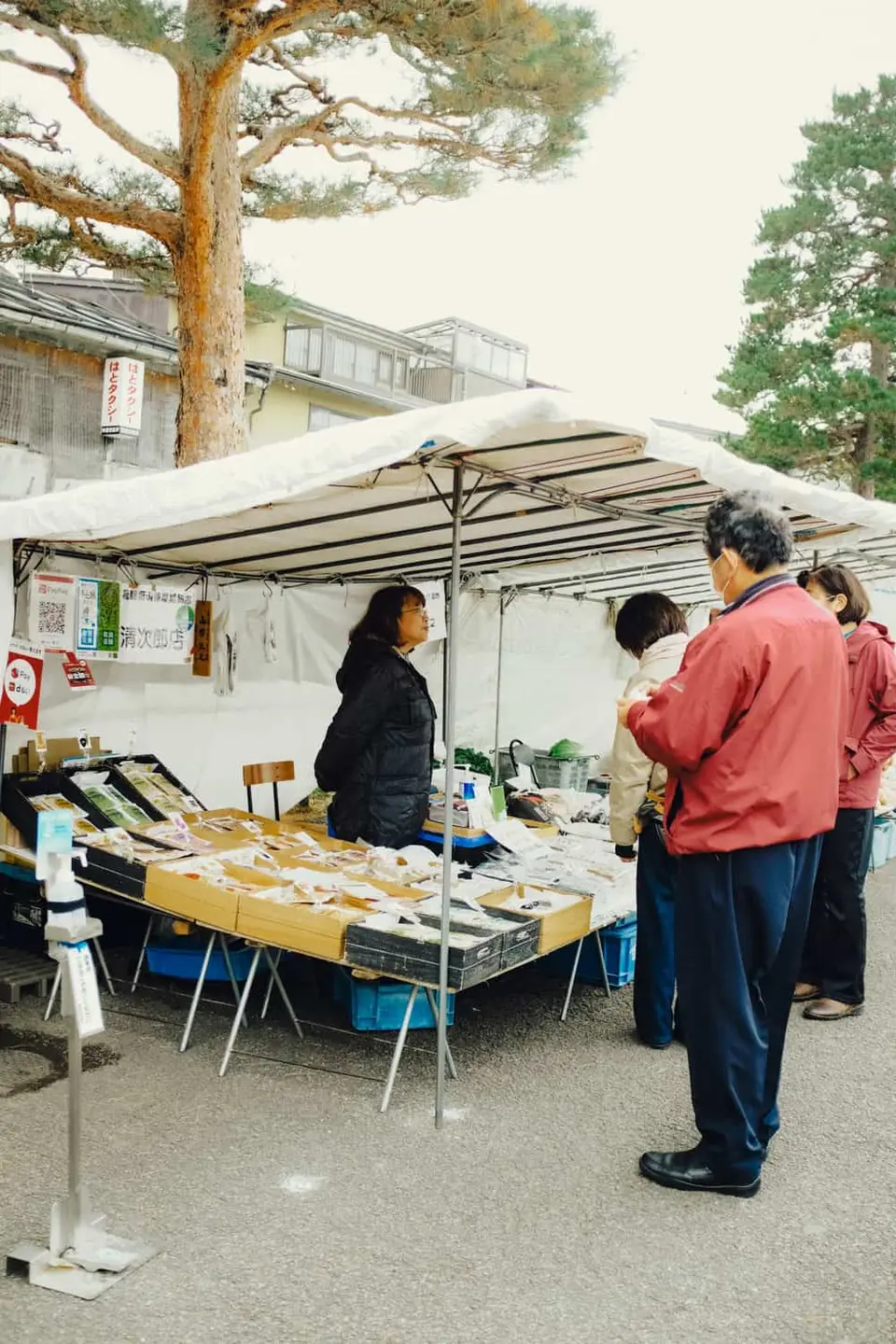
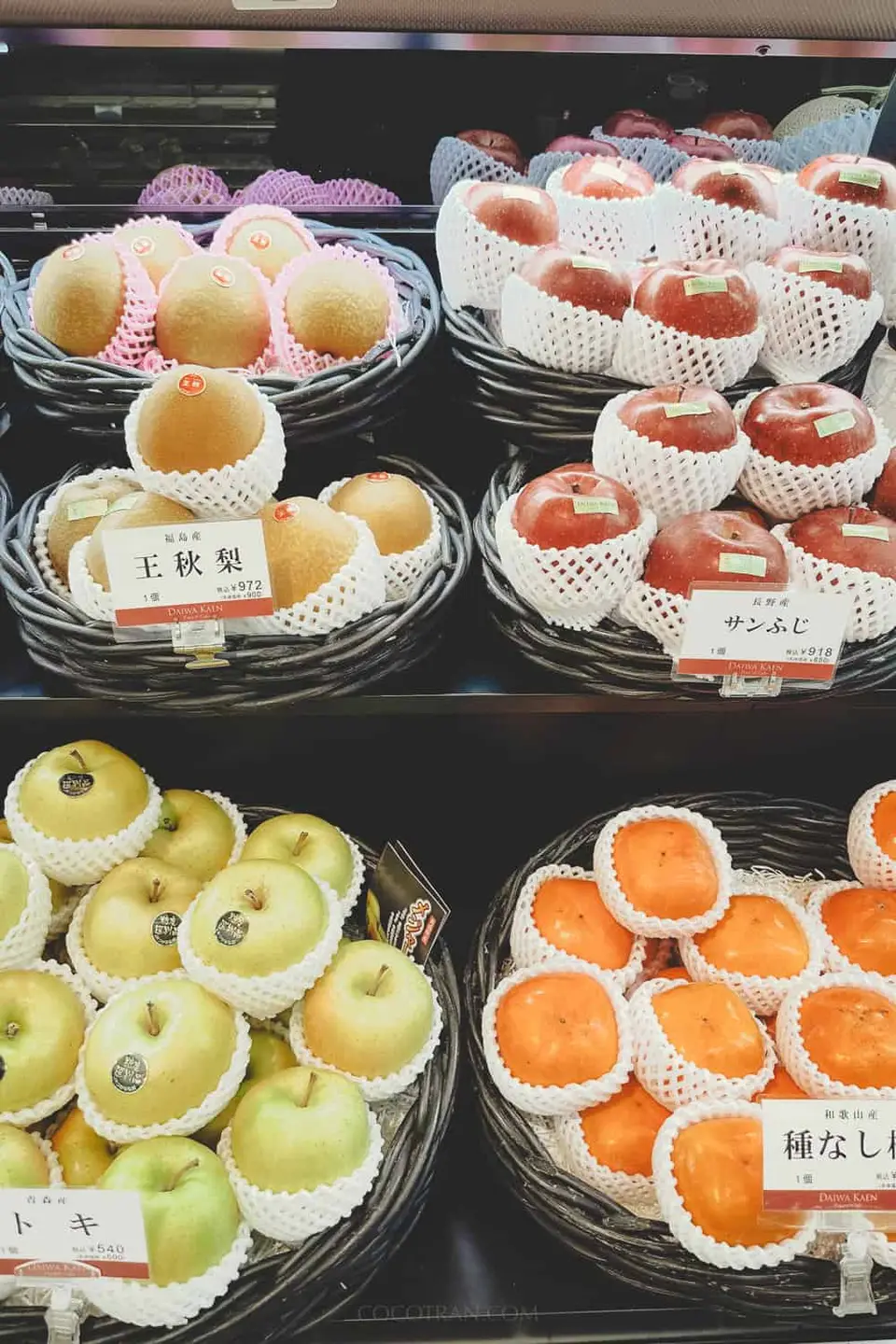
What's actually on the stalls: mountain vegetables, a lot of pickles, miso in wooden tubs, apples and chestnuts in autumn, dried persimmons and the local sweets. Then there's the craft end, with sarubobo, the faceless red cloth monkeys a Hida grandmother would make for a daughter expecting a baby, and small pieces of yew carving and lacquer.
How to be a good customer. Ask before photographing a stallholder; most will say yes and then want to chat with you. Bring cash, and don't haggle, because that isn't a thing here. And buy something small from the person you photographed. It's the right thing to do, and it costs about three hundred yen.
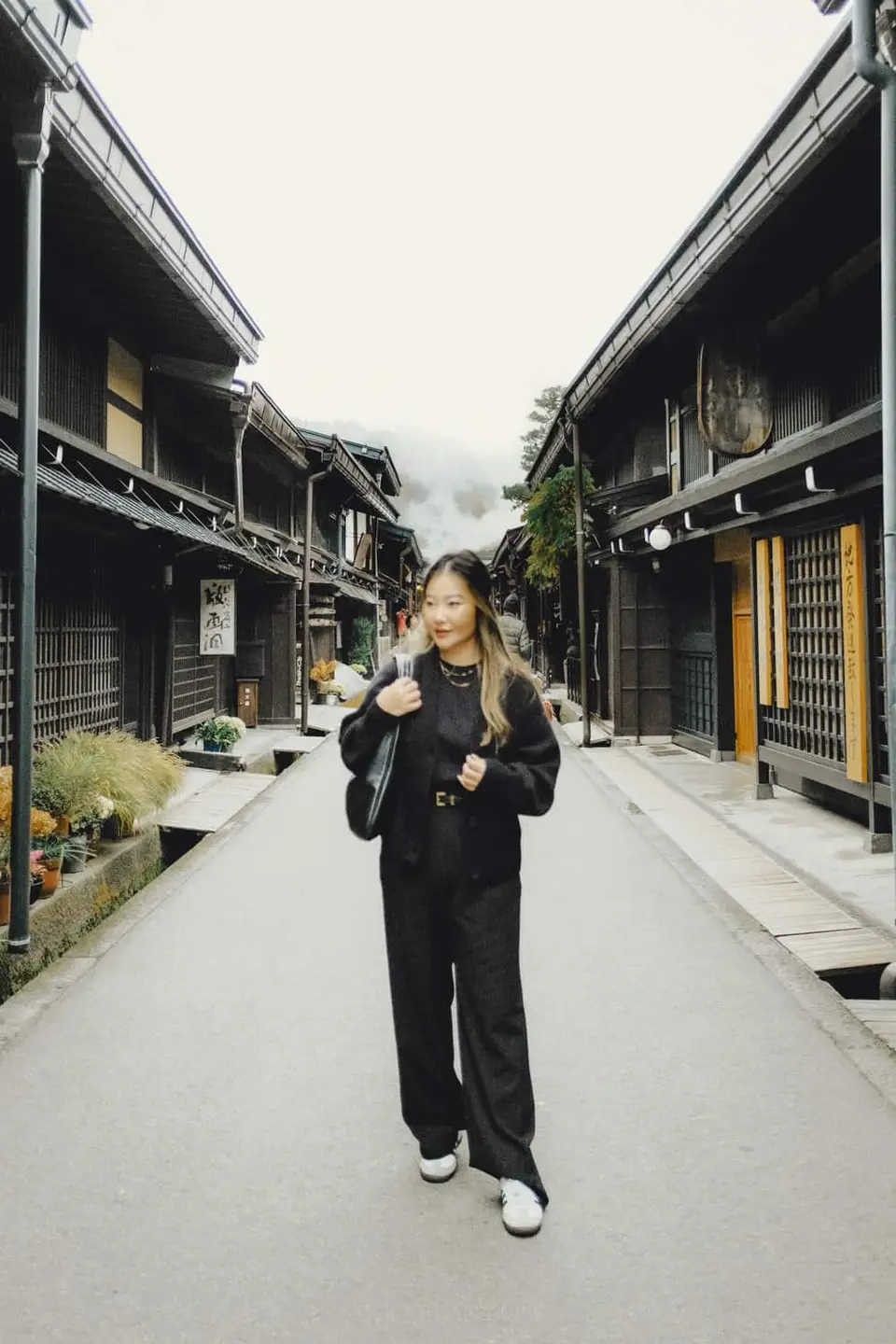
Then head straight to Sanmachi. The old merchant streets are five minutes away, and at half past eight they're empty, because the first coach from Nagoya hasn't arrived yet. You get the market and the old town both to yourself in the same morning, and you're done before most people have had breakfast.