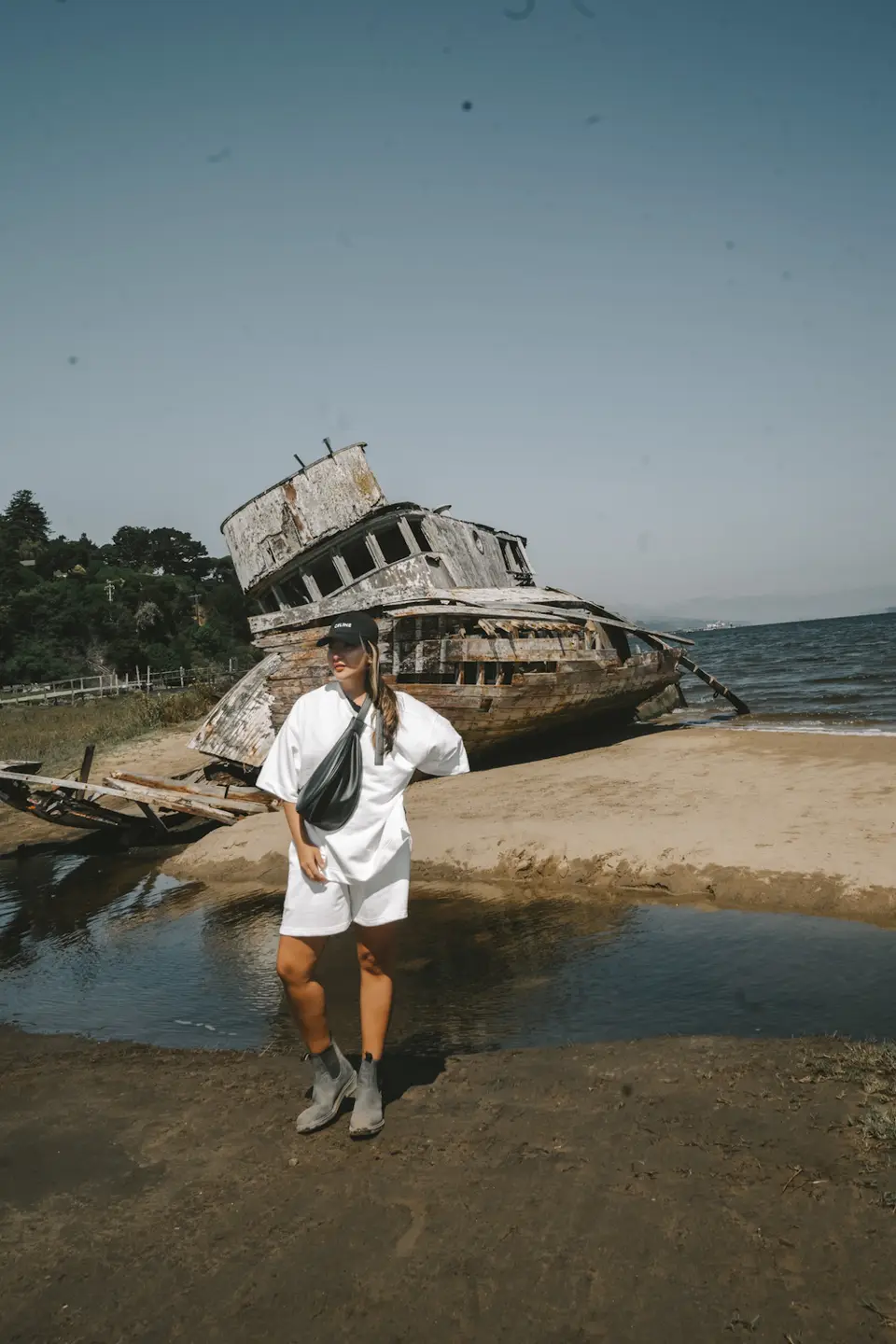
Point ReyesThe ranches, the oysters, and everything that changed in 2025
- Destination
- Point Reyes, California
- Photos & words by
- Coco Tran
The short answer
Point Reyes is an hour north of San Francisco, and you're catching it in the middle of the biggest change in its history: in a January 2025 settlement, twelve of the ranches inside the park agreed to stop, and the cattle are gone from most of it. The winter shuttle is gone too, permanently, so the road is open and you can simply drive, and there's no entrance fee, and there never was one here.
At a glance
- Setting
- A 71,000-acre peninsula of cliff, lagoon and cypress an hour north of San Francisco, sitting on its own tectonic plate
- Best for
- Oysters, elephant seals, empty beaches and, I think, the best day out of San Francisco there is
- Standout
- Elephant seals at Chimney Rock from December to March, which almost nobody in the city bothers with, and you really should
- Consider
- No entrance fee and no parking fees, but the winter shuttle is permanently suspended, so plan to drive
- Stayed
- West Marin, repeatedly
Travelled West Marin and the Sonoma coast repeatedly from California. Hotels here can be booked through Coco Tran Travel. How we review.
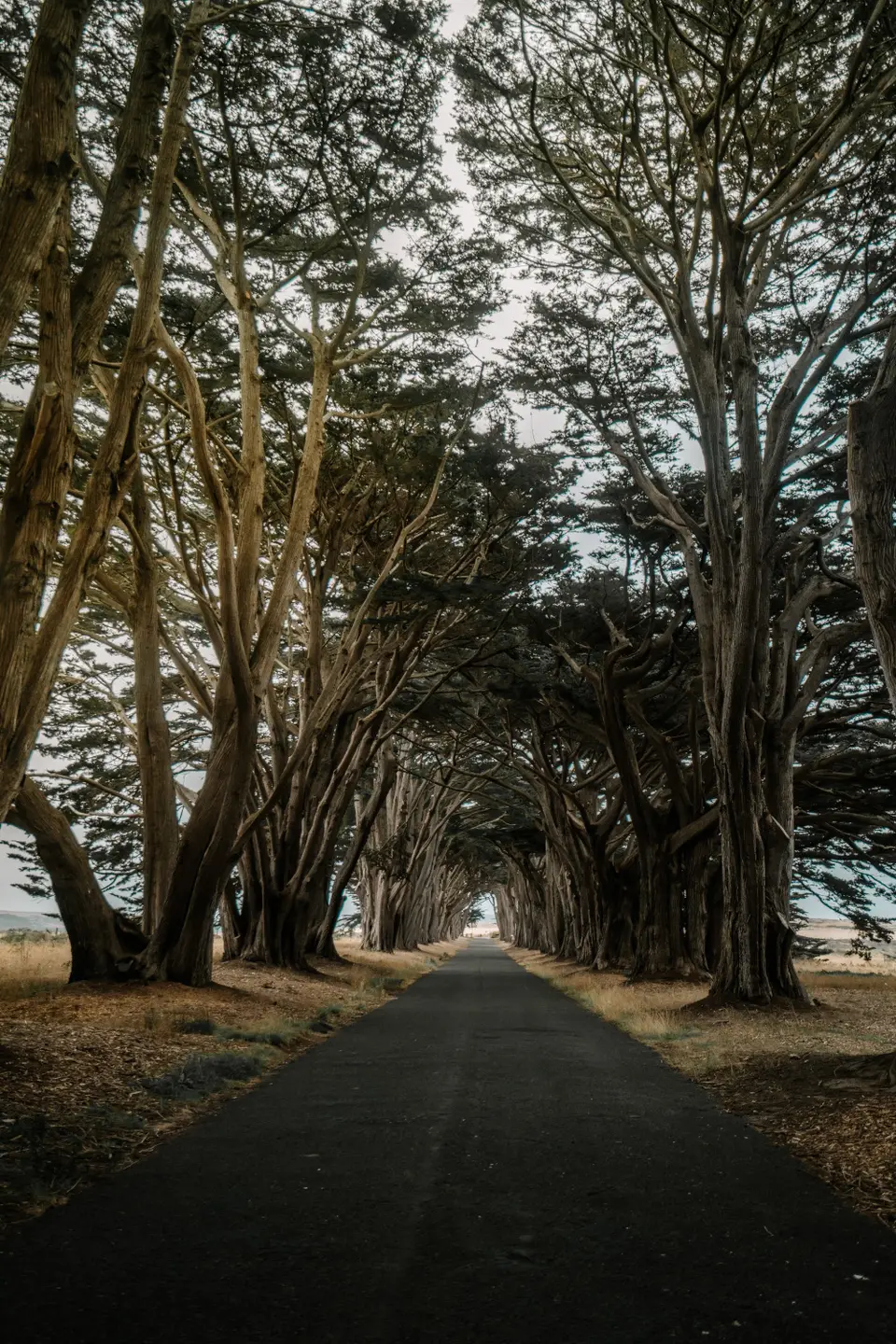
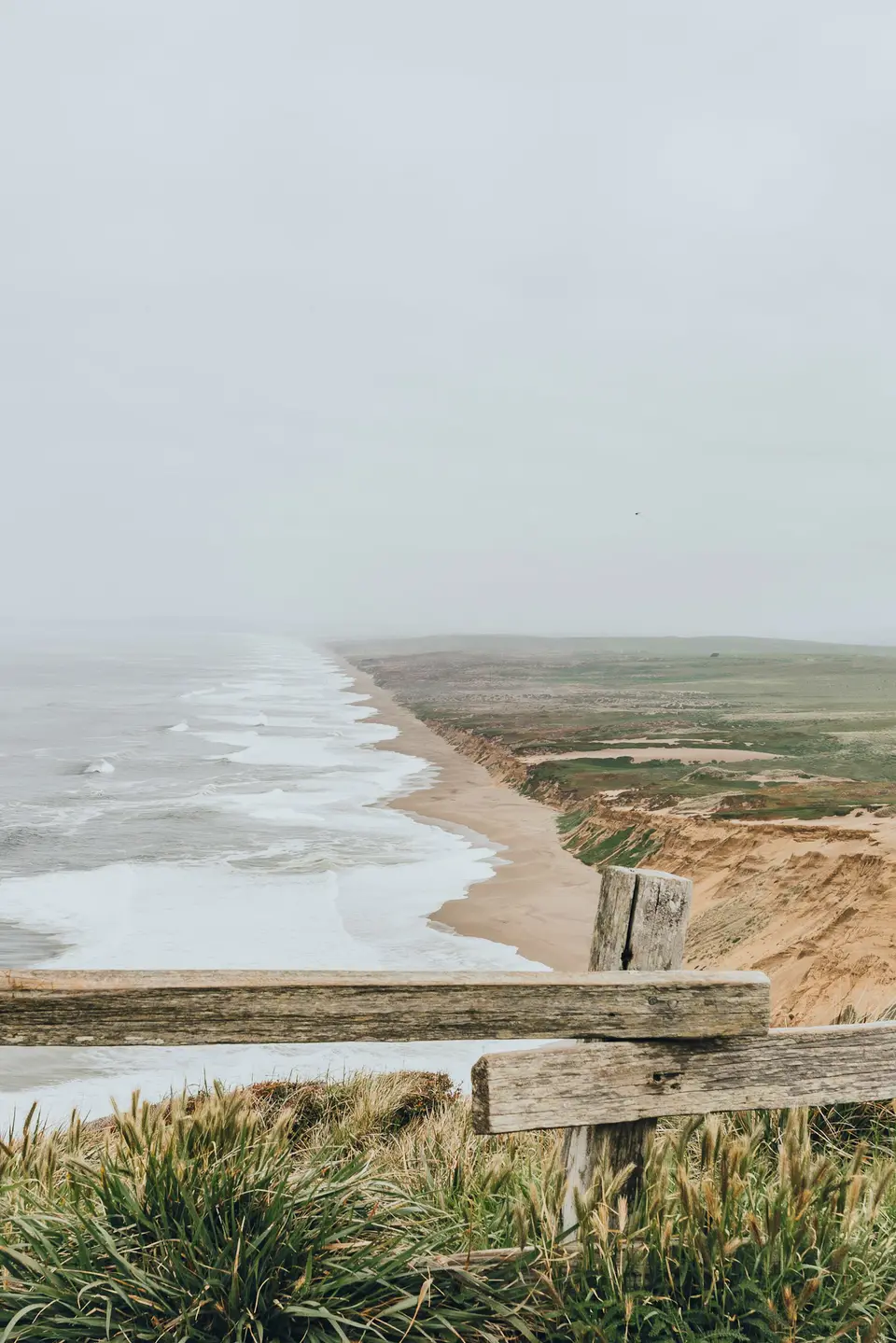
Point Reyes sits on the Pacific plate, which means it's physically travelling north-west away from the rest of California at about two inches a year, and honestly, you can feel it. You drive an hour out of San Francisco, cross the San Andreas at Olema, and arrive somewhere that looks and behaves like a different coast entirely: fog, cliffs, cypress, lagoons, and a long empty beach you can walk for eleven miles without meeting anyone.
And you're catching it in the middle of the biggest change in its history. On 8 January 2025, after decades of argument and a lawsuit filed in 2022, the Park Service issued a revised decision settling the fight over ranching inside the Seashore. Twelve ranches, six dairy and six beef, agreed to cease operations, under private agreements with The Nature Conservancy rather than a government buyout: roughly forty million dollars divided among the departing lessees and about two and a half million in relocation help for ranch workers, with a fifteen-month wind-down.
It's hard to overstate the scale of it. Cattle inside the Seashore go from more than ten thousand to around two hundred, ranching land use falls by about eighty-five per cent, and some sixteen thousand acres have cattle and infrastructure removed. Two commercial beef operations remain. Separately, seven beef ranch families on the Olema Valley side were issued twenty-year leases, so ranching hasn't ended across West Marin, only inside most of the park.
I'll give you two honest caveats. There's separate litigation pending over the legality of that 2025 decision, so it's implemented but not finished. And there's no visitor payoff yet: Home Ranch and Pierce Ranch sit vacant, the Park Service finished assessing the buildings in summer 2026 and aims to decide their future by late 2027, and the new trails and campgrounds you may have read about are aspirational and funding-dependent. What you'll see today is fewer cattle, shuttered ranch complexes and fences coming down.